Lighting plays a crucial role in shaping the atmosphere and functionality of any interior space. While its primary purpose is to provide illumination, well-designed lighting can significantly enhance the mood, style, and comfort of a room. Today, lighting is no longer just a practical necessity but an important part of interior design that helps define the character of a space.
A well-balanced lighting plan typically includes three main layers: ambient lighting, task lighting, and accent lighting. Ambient lighting serves as the primary source of illumination and provides general brightness throughout the room. Ceiling lights, chandeliers, and pendant lamps are commonly used to create this foundational layer of light. Task lighting, on the other hand, focuses on specific areas where activities such as reading, cooking, or working take place. Desk lamps, under-cabinet lights, and bedside lamps are excellent examples of task lighting solutions. Accent lighting is used to highlight decorative elements, artwork, or architectural features, adding depth and visual interest to the space.
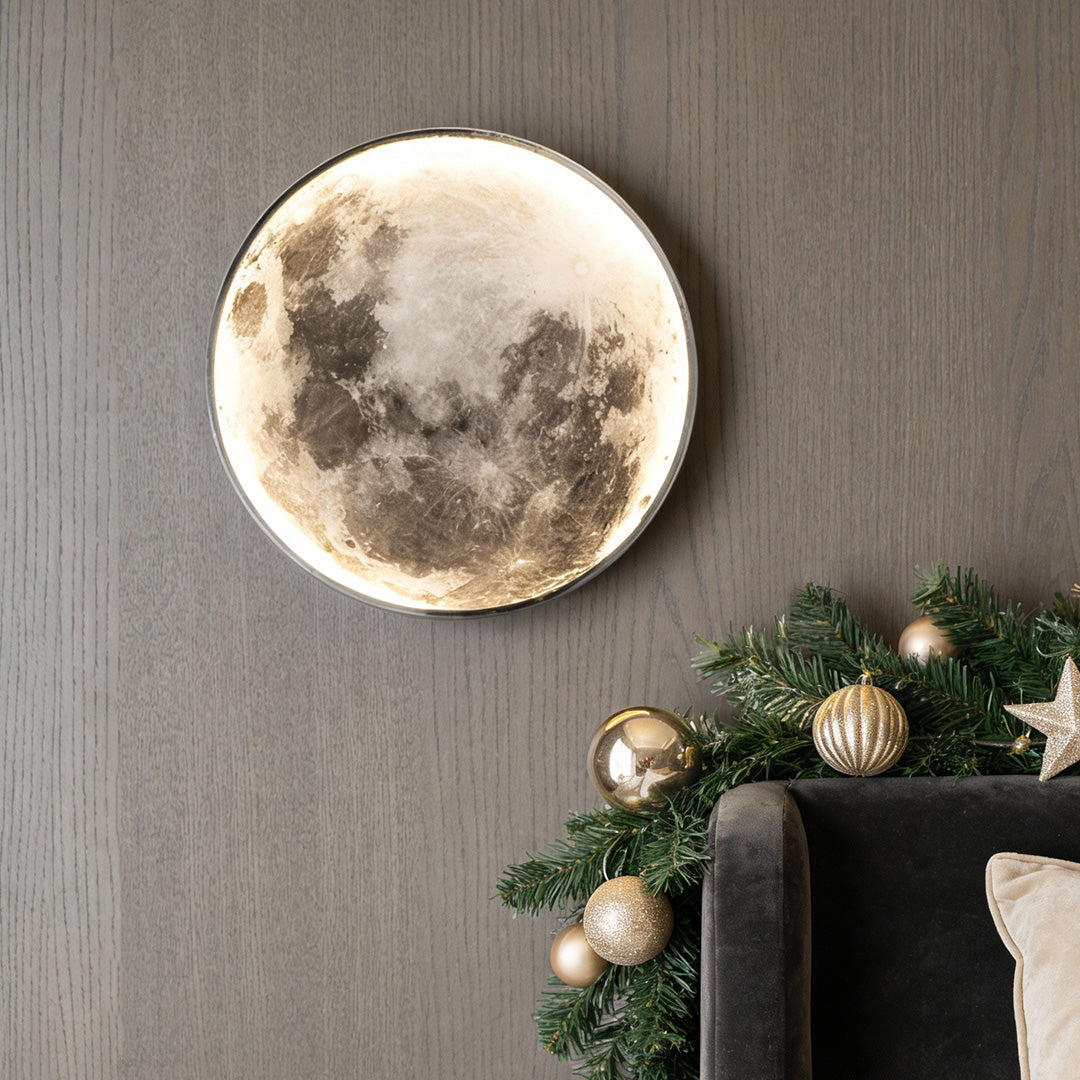
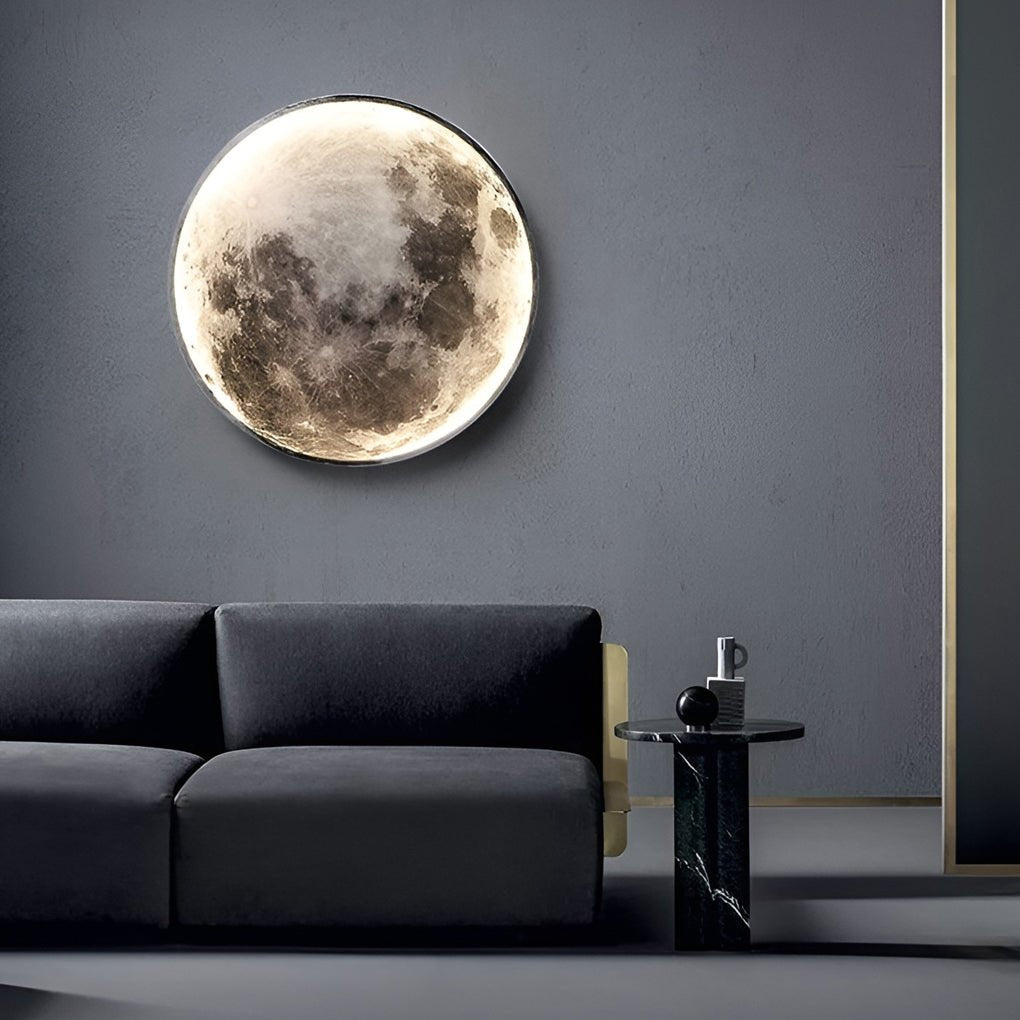
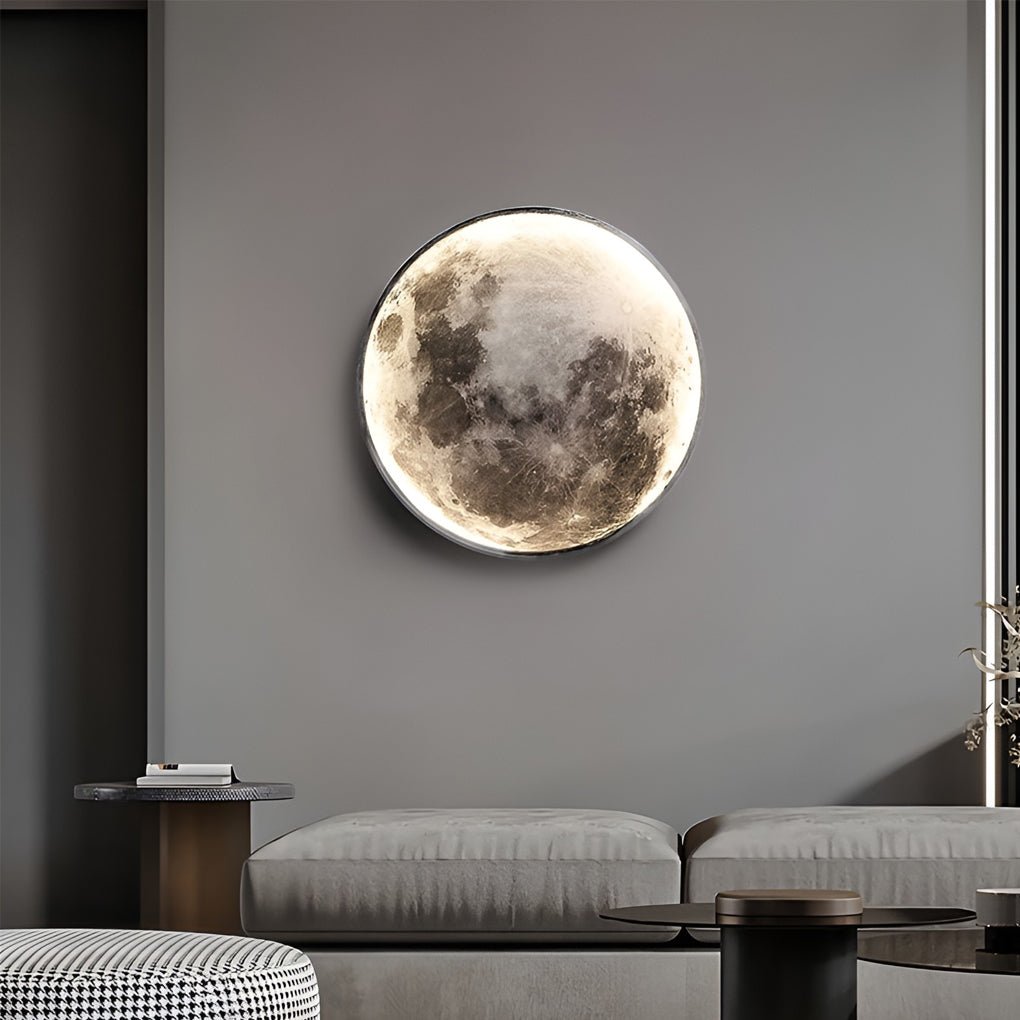
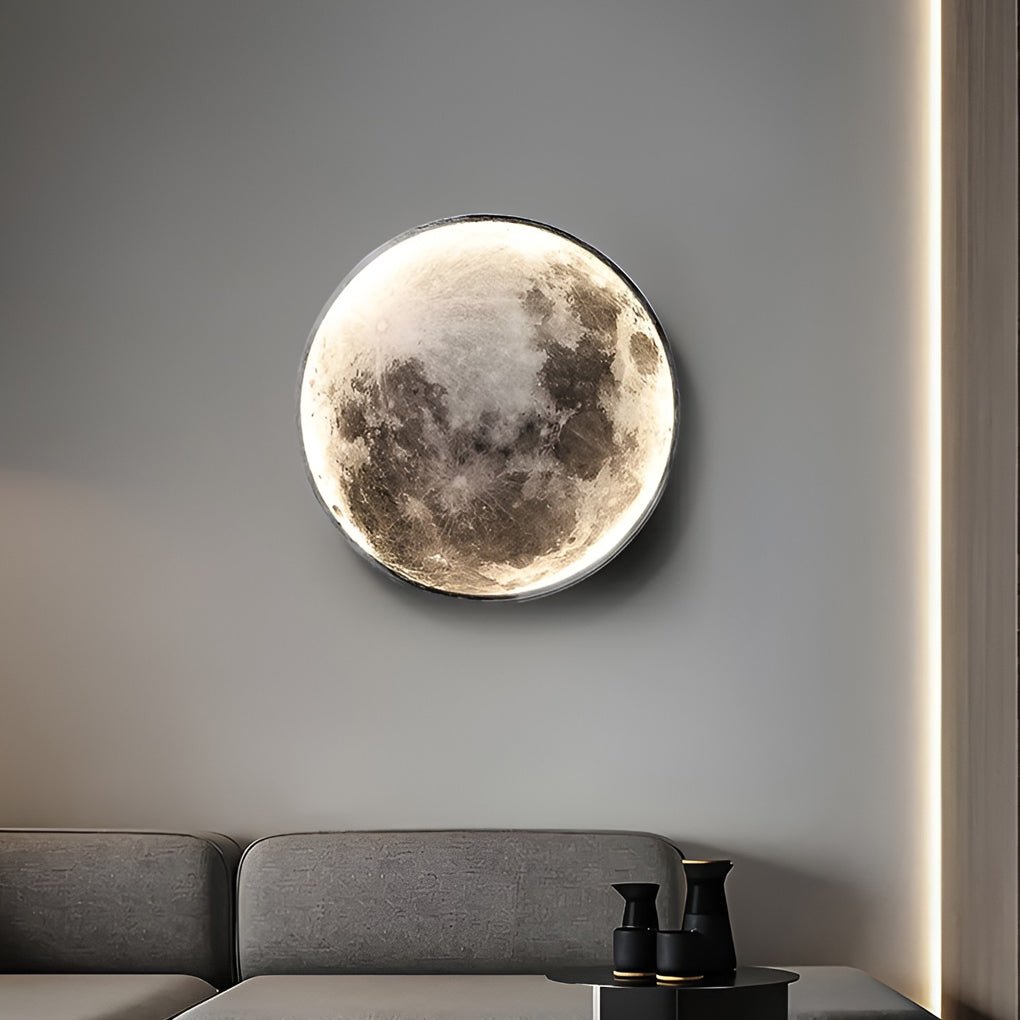
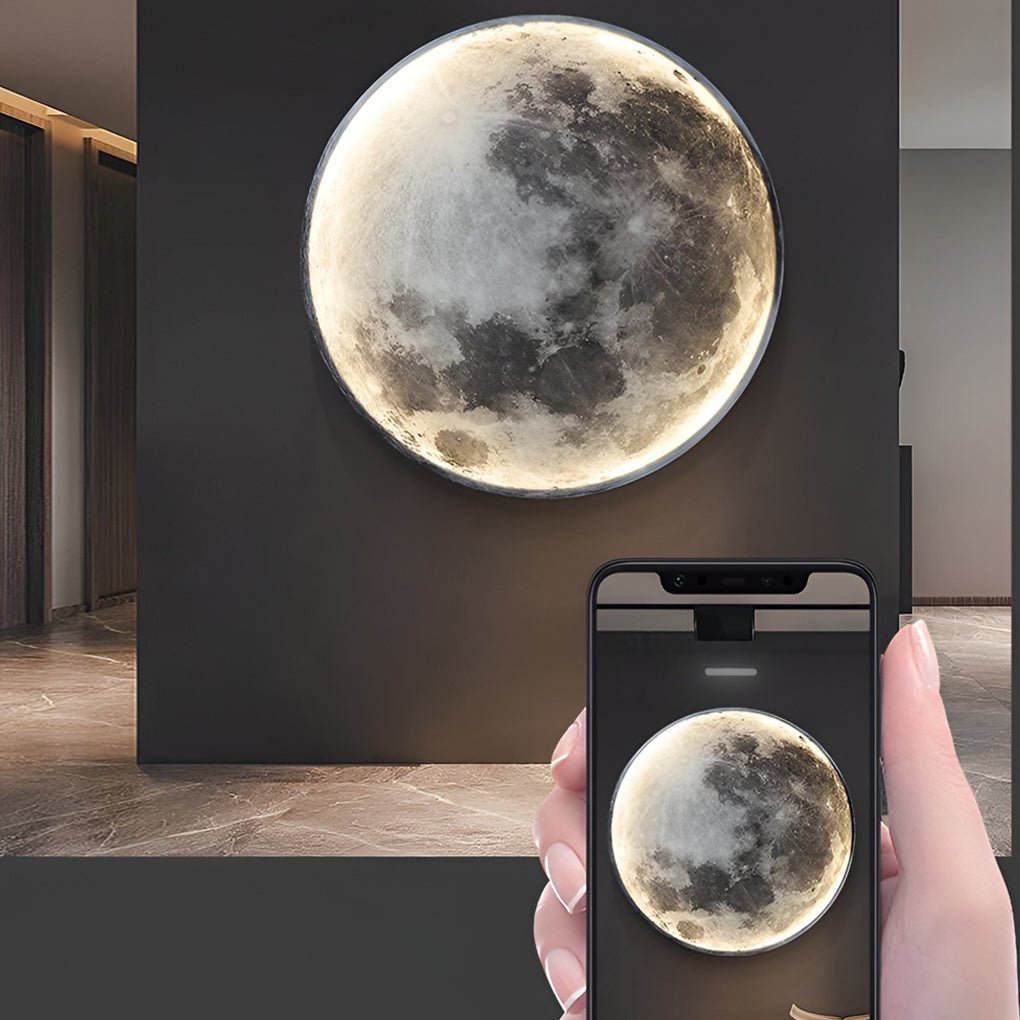
In the living room, lighting often acts as both a functional and decorative element. A statement chandelier or a modern ceiling light can provide the main source of illumination while also serving as a focal point of the room. Floor lamps and wall lights can then be added to create softer layers of light that make the environment feel more inviting and comfortable.
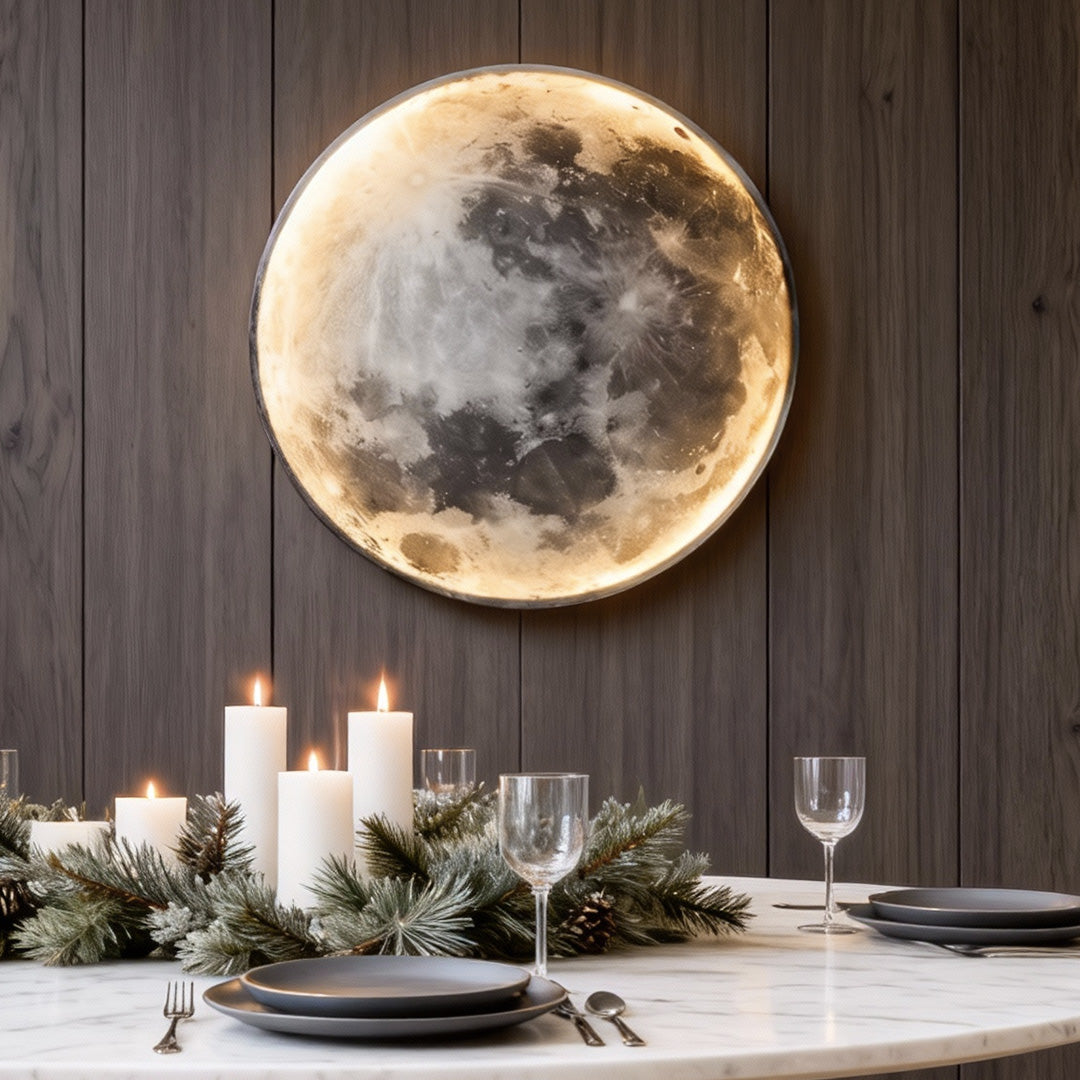
Dining areas benefit greatly from carefully chosen pendant lights. Placing a pendant lamp directly above the dining table creates a sense of intimacy and focus, making meals feel more enjoyable and visually appealing. The lighting should be bright enough to illuminate the table while still maintaining a warm and relaxed atmosphere.
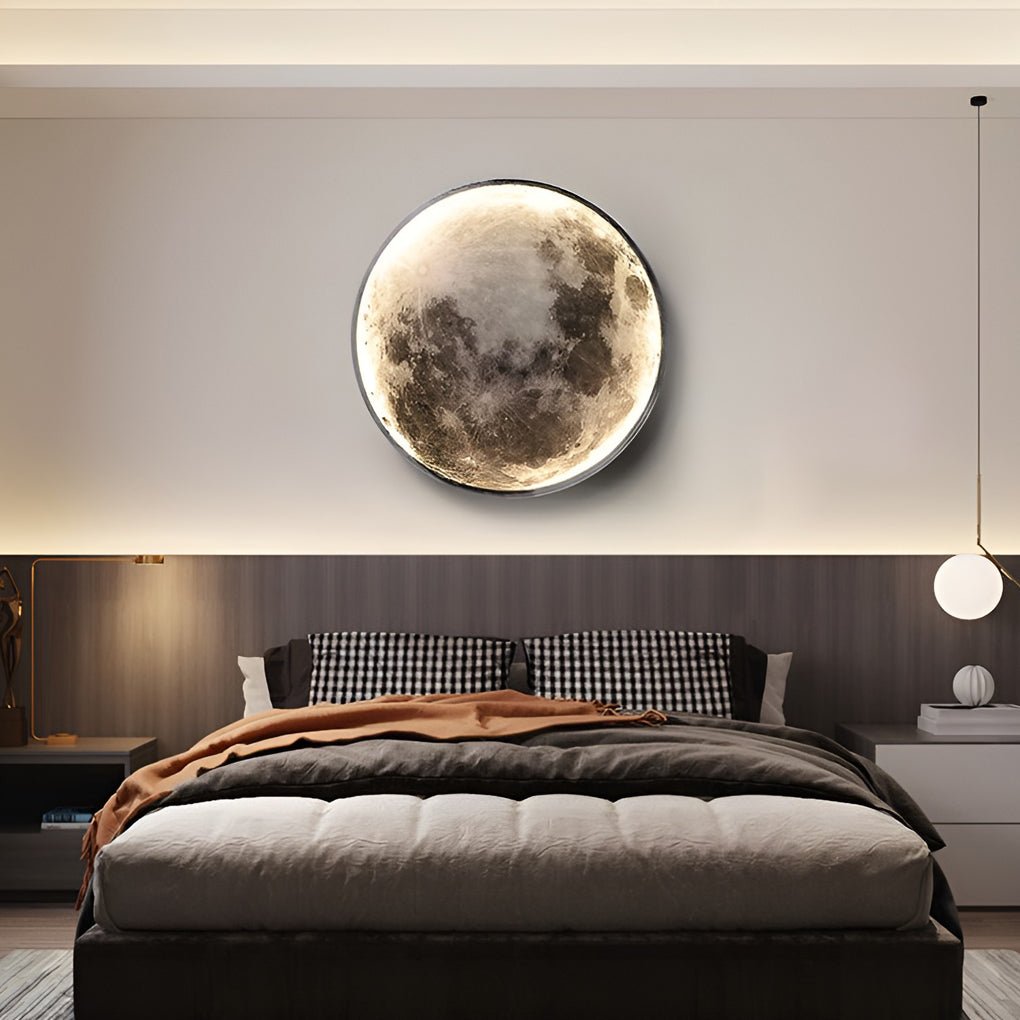
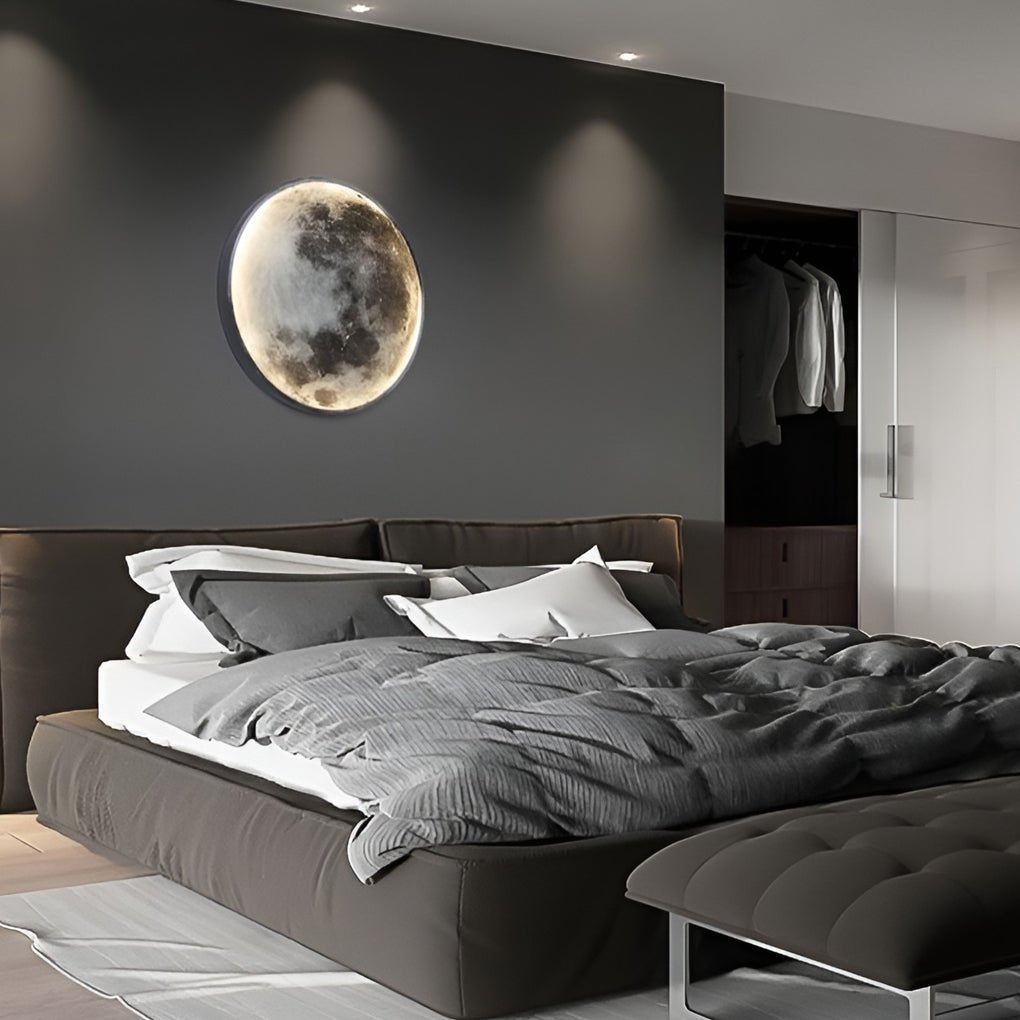
Bedrooms require a different lighting approach that prioritizes comfort and relaxation. Soft, warm lighting helps create a calming environment that promotes rest and better sleep. Bedside lamps and wall-mounted reading lights provide convenient illumination for nighttime activities without overwhelming the room with excessive brightness.
Advancements in LED technology have transformed modern lighting design. LED lights consume significantly less energy compared to traditional bulbs and offer a much longer lifespan. This not only reduces electricity costs but also contributes to a more sustainable and environmentally friendly lifestyle.
Design trends in lighting have also evolved dramatically over the years. Minimalist designs, Scandinavian-inspired lamps, and industrial-style fixtures are increasingly popular in contemporary interiors. These styles combine aesthetic appeal with practical functionality, allowing homeowners to express their personal taste through lighting choices.
Ultimately, thoughtful lighting design can transform an ordinary space into something truly special. By carefully selecting the right combination of fixtures, brightness levels, and color temperatures, it is possible to create an environment that feels comfortable, stylish, and perfectly suited to everyday living.